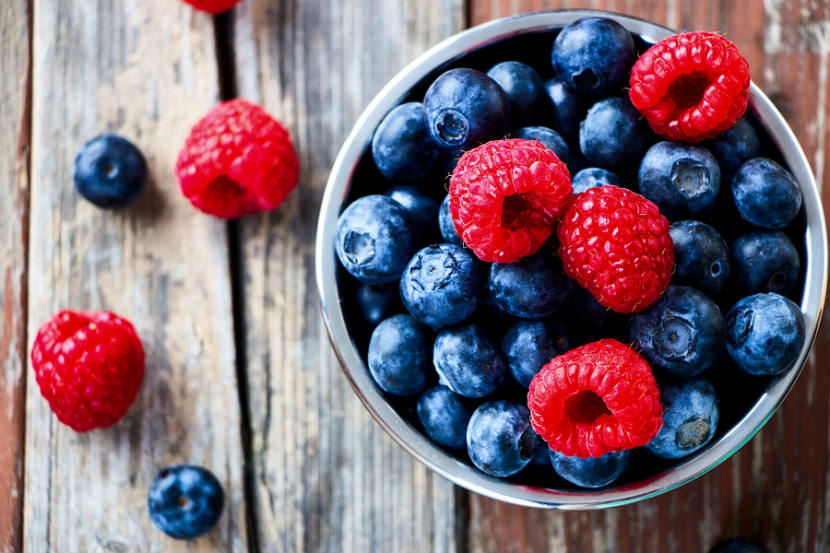
Healthy eating is a great way to get the vitamins and minerals your body needs. But did you know that healthy eating has even more natural benefits? You may have heard that healthy foods contain antioxidants. Read on to learn about their role in your health.
What are antioxidants?
Antioxidants are naturally found in foods. An antioxidant can be:
-
A vitamin such as vitamins A, C or E
-
Plant chemicals like flavonoids and carotenoids
-
A mineral such as selenium
Antioxidants protect your body’s cells from damage. Cell damage happens naturally as you age. It can also happen when you are exposed to things like pollution or cigarette smoke. Cell damage can lead to common diseases like heart disease and diabetes. A diet rich in antioxidants can help lower your risk of these diseases.
What foods have antioxidants?
Vegetables, fruit, whole grain bread, pasta and cereal, beans, lentils, nuts, seeds, vegetable oils, garlic, and green tea have antioxidants.
Tips for getting more antioxidants
Vitamin C:
-
Add broccoli, spinach, Brussels sprouts, potatoes and red, yellow or green peppers to stir fry dishes or serve them with a low fat dip.
-
Add strawberries and raspberries to yogurt or a smoothie or mix them into a fruit salad.
-
Enjoy tropical fruit such as papaya, kiwis, grapefruits, guavas and mangos.
Vitamin E:
-
Sprinkle almonds and sunflower seeds on salads or add them to granola and cereal.
-
Spread vitamin E rich nut butters like almond or peanut butter on whole grain bread.
-
Add avocadoes to salads, sandwiches and wraps, smoothies or make a guacamole dip.
-
Sprinkle wheat germ on your cereal or add it to muffins and loaves. Try wheat germ in these kid-approved pancakes!
-
Choose fish at least twice a week. Mackerel, herring, salmon, halibut and tuna are good sources of vitamin E.
Flavonoids:
-
Choose green tea instead of coffee.
-
Add blueberries, raspberries and strawberries to cereal, yogurt, salads, low fat frozen yogurt or cottage cheese.
-
Add apples and red grapes to a green salad or fruit salad. Try this flavonoid packed snack.
Selenium:
-
Make a mixed bean salad for an appetizer.
-
Boil soy beans and eat them as a snack or add them to casseroles or soups
-
Bake fish like tilapia, cod, haddock or salmon in the oven.
-
Include meat, fish, shellfish, poultry, eggs and nuts throughout the day.
Carotenoids:
Should I take an antioxidant supplement?
No. Some antioxidant supplements may have higher amounts than you need. This could be unsafe. If you are thinking about taking an antioxidant supplement, talk to your healthcare provider. You can get all the antioxidants you need from eating a variety of antioxidant rich foods like vegetables, fruit, whole grain bread, pasta and cereal, beans, lentils, nuts, seeds, vegetable oils, garlic and green tea.
Can antioxidants lower the risk of cancer?
Yes. Eating a variety of vegetables, fruits and whole grains may help lower your risk of cancer. These foods naturally have antioxidants as well as other nutrients that have many health benefits.
Bottom line
Antioxidants are natural substances found in food that may help to lower your risk of chronic diseases. Following Canada’s Food Guide is an easy way to help you get a variety of antioxidants every day to keep you healthy.
You may also be interested in:
Cancer: What can help and what can harm?
Tea Time
Red Wine – What’s in your Glass?
Last Update – February 20, 2019