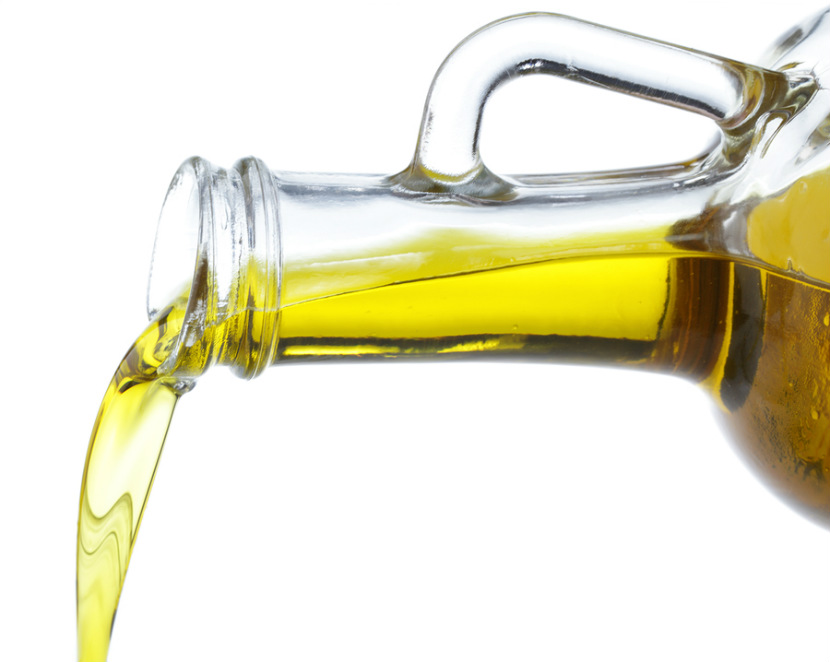
Fat is important for our overall health. Fats tend to get a bad reputation, but not all fats are created equal. Some fats are important to keep our heart healthy while others should be limited. Read on to learn about the different types of fat, what foods contain them and how to make healthy choices.
What are the different types of fat?
There are four different types of fat.
Monounsaturated fat
Monounsaturated fat is a healthy fat naturally found in olive and canola oil, non-hydrogenated margarines, avocados and nuts like almonds, pistachios, pecans and cashews.
Polyunsaturated fat
Polyunsaturated fat are healthy fats that include omega-3 and omega-6 fats:
-
Omega-3 fats are found in fatty fish such as salmon, mackerel, trout, herring and sardines. They are also found in oils and some soft margarines. Omega-3 fats are also added to eggs, milk products and some juices.
-
Omega-6 fats are found in safflower, sunflower and corn oils. They are also found in nuts and seed such as almonds, pecans, Brazil nuts, sunflower seeds and sesame seeds.
Saturated fat
Saturated fat is an unhealthy fat that is naturally found in foods from animals such as fatty cuts of meat, poultry with the skin on and higher fat milk, cheese and yogurt. Saturated fat is also found in tropical oils, including coconut and palm kernel oils.
Trans fat
Trans fat is an unhealthy fat. It is made out of liquid oil that is then changed into a solid fat. Trans fat adds texture and flavour to food. It is most often found in commercially baked goods, fried foods and processed foods like packaged salty snacks and convenience foods including frozen foods. Trans fat can also be found naturally in some foods. Meat, milk, and butter naturally contain small amounts of trans fat. The trans fat found naturally in foods is different than manufactured trans fat and does not increase your risk of heart disease.
Which fats should I choose and how much?
To keep your heart healthy, have a small amount (2 to 3 Tbsp) of unsaturated fat (monounsaturated and polyunsaturated fat) each day. This amount includes oil used for cooking, salad dressings, margarine and mayonnaise.
Unsaturated vegetable oils include:
-
Canola
-
Corn
-
Flaxseed
-
Olive
-
Peanut
-
Soybean
-
Sunflower
Which fats should I limit?
To lower your risk of heart disease, it is best to limit saturated fats. Limit foods like:
-
Butter
-
Hard margarine
-
Lard and shortening
-
Higher fat milk, cheese and yogurt
-
Fatty cuts of meat and chicken with the skin on
Aim to have zero trans fats in your diet. Find out more about trans fats and saturated fats.
Tips on making healthier fat choices
Use these tips to make healthier fat choices the next time you are at the grocery store, cooking at home or eating out:
Fat at the grocery store
-
Take the time to read nutrition labels when buying packaged products. Compare the % Daily Value of fat between similar products. Products with less than 5% Daily Value is a lower fat choice. Look for products with no trans fat.
-
Choose fatty fish like salmon, mackerel, sardines and trout at least twice a week.
-
Choose lower-fat milk products more often. This means a milk fat (M.F.) of less than 2% for milk, cottage cheese and yogurt. Look for lower fat cheeses that contain less than 20% M.F.
-
Choose fresh lean meats instead of frozen that may be prepared with breadcrumbs.
Fats when cooking at home
-
Read tips on how to makeover your favourite recipes with less fat.
-
Cook with less fat using dry heat and wet heat cooking methods.
-
Instead of butter, flavour foods with garlic, lemon, vinegars, wines, herbs and spices. These are all fat free!
-
Trim visible fat from meat and remove skin from poultry.
-
Use unsaturated vegetable oils in your cooking, like canola, corn, flaxseed, olive and sunflower.
Fats when eating out
-
Read these top ten tips for eating out
-
Limit foods covered with gravy, sauces or sour cream
-
Limit foods served au beurre, au gratin, crispy, carbonara, flaky, batter-dipped, breaded, parmigiana, tempura, fritters, à la hollandaise. These terms mean the cooking method uses extra fat and calories.
-
Ask for dressings and sauces on the side and use sparingly.
-
Keep an eye on portion size. Consider sharing a large portion with someone else or taking half the meal home for tomorrow’s lunch.
Bottom line
Fat is an important part of our diet, but it’s important to remember that not all fats are created equal. Choose foods with unsaturated fats more often and limit the amount of foods with saturated and trans fats.
You may also be interested in
Diabetes and Fat: Healthier Choices
Facts on Triglycerides
A healthy waist is good for your health!
28 Cooking Tips for Heart Month
Last Update – December 18, 2018