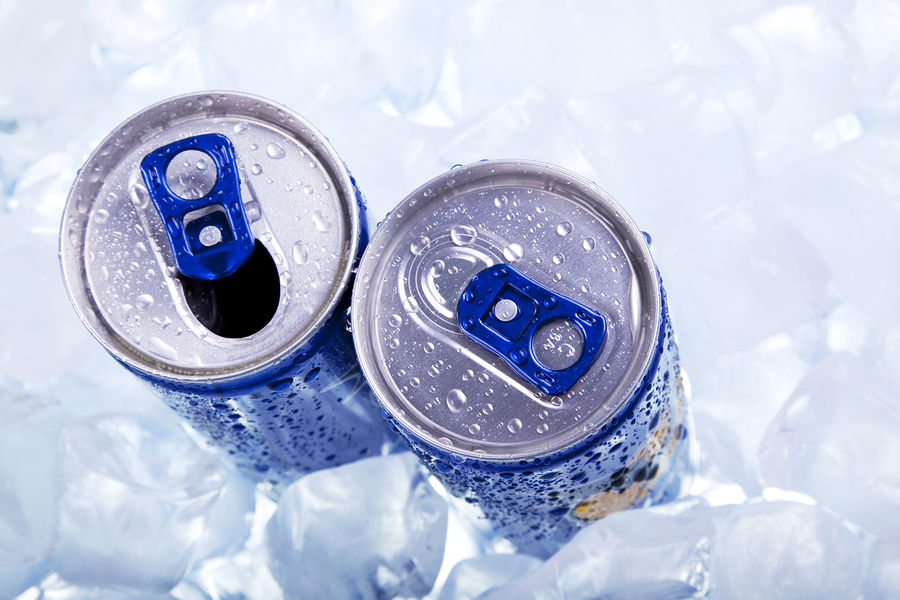
Energy drinks are beverages that have ingredients like caffeine, vitamins and herbs. They claim to give you more energy and make you feel alert. Read on to learn more about what’s in energy drinks and their safety.
What’s in energy drinks?
Caffeine
Caffeine is one of the main ingredients in energy drinks. While energy drinks in Canada usually have less caffeine than a cup of coffee, it may be easier to consume larger amounts of energy drinks compared to a hot coffee. Too much caffeine can cause headaches, irritability, nervousness and rapid heart rate. The amount of caffeine in energy drinks is more than what is recommended for children and adolescents. This means that one or two energy drinks can easily be over the caffeine limits.
Sugar
Many energy drinks are sold in large can sizes that have lots of added sugar. Canada’s Food Guide recommends limiting food and drinks that are high in added sugar.
Taurine
Taurine is an amino acid, which is a building block of protein. It has many functions in the body. However, it is unclear why taurine is added to energy drinks.
Herbal ingredients
Many energy drinks have herbs like Ginseng and Gingko Biloba. It has been claimed that these herbs improve physical and mental performance. However, there is no scientific evidence to support this claim. In addition, some herbs can interact with drugs (medications) and other supplements. Be sure to talk to your doctor about using energy drinks with these ingredients if you are taking medication or other supplements.
Other ingredients
Energy drinks may also have ingredients like glucuronolactone and inositol (types of carbohydrates). It is not clear why these are added to energy drinks. The B vitamin niacin is often added because it helps our bodies convert food into energy. However, too much niacin may cause burning, tingling, itching and redness in the face, arms and chest. Niacin is found naturally in many foods like meat, chicken, fish, seafood, eggs, legumes (beans, peas, lentils), tofu, grain products, milk, cheese and soy beverages.
Are there side effects from using energy drinks?
Maybe. Moderate amounts are thought to be safe for adults. If energy drinks are mixed with alcohol or consumed in large amounts at one time, side effects can occur like irregular heartbeats and nervousness. More research about the safety of energy drinks is needed.
Who should avoid energy drinks?
Children, adolescents, pregnant or breastfeeding women should avoid consuming energy drinks.
Should I use an energy drink during exercise?
No. Energy drinks are not the same as sports drinks. They tend to be higher in sugar, which can make them harder to absorb during exercise and could cause stomach upset. Drinking energy drinks during exercise can lead to dehydration. Water is your best choice during most types of activity. Use a sports drink during long or intense exercise.
Bottom line
Children, adolescents, pregnant or breastfeeding women should avoid consuming energy drinks. If you choose to use energy drinks, talk to your doctor if you are taking medication or other supplements. Do not mix energy drinks with alcohol.
For more information
MedEffect Canada - Report any bad reactions you have from using energy drinks to your doctor.
Last Update – April 26, 2018