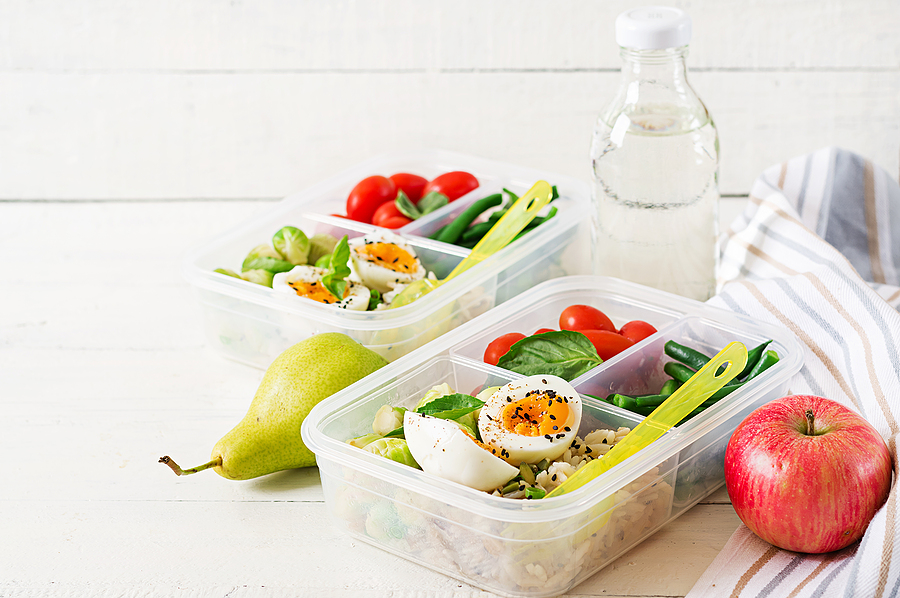
Packing your lunch for work is a nutritious and budget-friendly habit. Fuel your workday the healthy way with these fresh ideas for packed lunches!
Sandwiches are simple
Sandwiches are easy to make and take to work. To keep sandwiches interesting and nutritious, try these tips:
-
Choose different breads: Go for whole grain bread, pitas, mini bagels, tortillas, small dinner rolls, English muffins, flat breads or naan. Check the label and look for at least 2 grams fibre per serving.
-
Try a variety of spreads: Use mustard, salsa, hummus, tzatziki or mayonnaise. Imagine the tasty combinations!
-
Mix different ingredients: Try peanut butter and sliced apples, egg salad with arugula, barbequed tofu with lettuce and tomato, salmon with teriyaki sauce and baby spinach, roasted turkey with avocado, tomato and lettuce, hummus with grated zucchini and carrots, refried beans with salsa and grated cheese, or leftover stir fry in a wrap.
-
Choose less processed meats as they can be high in nitrates. Instead, use leftover meats from dinner, canned tuna or salmon, bean spreads, egg fillings and more.
Love your leftovers
Leftovers are great for packing lunch in a hurry. Here are 5 tasty lunch ideas made with leftovers:
-
Stir-fry: Try this Sweet Chili Tofu Stir Fry filled with colourful veggies.
-
Soup: A warm vegetable-based soup is a great way to enjoy more veggies at lunch! Add a toasted whole grain pita and hummus for dipping.
-
Salad: This simple Hearty Chicken and Vegetable Salad, made with leftover grilled chicken, is rich in protein. Enjoy with a slice of whole grain baguette.
-
Chili: For a hearty lunch, serve chili with a sprinkle of grated cheddar cheese and a small whole grain dinner roll.
-
Pasta: Freeze single portions of this Spinach and Mushroom Vegetarian Lasagna for a quick lunch. So easy!
Tip: Check out these salads and soups for more leftover ideas.
A note on food safety
Make your lunch the night before and keep it in the fridge so it can chill completely. Pack it in an insulated lunch bag with an ice pack (or a frozen water bottle or yogurt) to keep things cool and safe to eat.
Remember to wash your lunch bag, containers, water bottle and utensils with warm soapy water after each use.
Take our food safety true or false quiz to test your food safety knowledge.
What to drink
Staying hydrated can help you feel refreshed and alert during your workday. Keep a reusable water bottle at work so you can sip fresh water during the day. Add a little lemon, cucumber or mint for flavour.
Snacks to pack
Small nutritious snacks can help keep you energized when you’re hungry between meals. Pack snacks in your lunch bag so you don’t have to rely on vending machines or coffee shop treats. Try these snacks:
-
Steamed edamame (soybeans)
-
Apple slices with almond butter
-
Veggie sticks with black bean dip
-
Small handful of nuts and seeds
-
Hard-boiled egg and a few whole grain crackers
-
Plain or vanilla Greek yogurt with berries
Tip: Check out more snacks you can pack.
Snacks to keep at work
Short on time? Keep some non-perishable foods at work for a quick snack win:
-
Light tuna: Buy single-serving cans or vacuum-packed pouches. Eat with a few whole grain crackers for a snack or scoop onto a salad for lunch.
-
Fruit cups: Try unsweetened mandarin oranges, fruit cocktails, pineapple, applesauce and peaches packed in water or juice.
-
Trail mix: Make your own with nuts, seeds, dried fruits, popcorn and multigrain pretzels.
-
Granola, nut or seed bars: Choose plain bars with less than 10 grams of added sugar and at least 2 grams fibre.
-
Cereals: Choose a cereal with at least 4 grams of fibre per serving and less than 10 grams of added sugar. Keep milk at work or bring in a container to add to a small bowl of cereal.
-
Crackers and bread sticks: Choose whole grain ones with at least 2 grams of fibre per serving. Enjoy with peanut butter, hummus or cheese. Keep some in the workplace fridge if you have one.
How can a dietitian help?
A dietitian can help you plan nutritious meals and snacks for work. Your dietitian will consider your goals, medical history, preferences, lifestyle and culture to make recommendations while making sure you are getting enough protein, fibre and other essential nutrients to be healthy. Connect with a dietitian today!
Bottom line
With a little planning you can pack nutritious lunches and snacks for work. Packing your own lunch can help you stick to your health and nutrition goals and help you save money.
You may also be interested in:
Quick and Easy Snack Ideas
Quick and Easy Lunch Ideas
How to Make a Better Sandwich
Nutrition Tips for Shift Workers
This article was written and reviewed by dietitians from Dietitians of Canada. The advice in this article is intended as general information and should not replace advice given by your dietitian or healthcare provider.
Last Update – March 4, 2023